
- By PRW
- Uncategorized
- 0 Comment
Roof Underlayments
Underlayment is one of the most essential parts of a roofing system. It serves as the primary waterproofing barrier, working in tandem with the outer roof covering — shingles, tile, or metal — to create a complete system designed for performance,
durability, and protection. In South Florida, where heat, humidity, and hurricanes are all
part of the climate, choosing the right underlayment is critical.
How Underlayments Work with the Roofing System
Roof coverings like shingles and tiles are designed to shed water, not stop it entirely.
That’s where underlayment comes in — it acts as the watertight barrier between your home and the elements. In high-wind areas, wind-driven rain can get underneath shingles or tiles. When this happens, the underlayment is your last line of defense. It also seals around fasteners, adds a layer of fire resistance in some systems, and plays a vital role in code compliance and wind mitigation.
Types of Roof Underlayments
**Felt (Asphalt-Saturated Paper):**
Also known as tar paper, this traditional material has been used for decades. It provides
basic water resistance but can wrinkle or degrade with UV exposure. It’s generally used in basic roofing applications or as an economy option. Not recommended in high-velocity wind zones.
**Synthetic Underlayment:**
Made from woven or non-woven polypropylene or polyethylene, synthetic underlayments are more durable and tear-resistant than felt. They’re lightweight, UV-resistant, and commonly used under shingle and tile roofs. Some versions feature a slip-resistant surface for improved worker safety.
**Peel-and-Stick (Self-Adhering Modified Bitumen):**
This premium underlayment adheres directly to the roof deck, creating a fully sealed,
waterproof surface. It self-seals around nails and fasteners and is required in many Florida jurisdictions, especially in valleys, eaves, and entire roof systems within HVHZ zones. It’s the preferred choice for tile, metal, and high-end shingle installations.
**Torch-Down Base & Cap Sheet Systems:**
Used primarily in flat or low-slope roofing systems, these multi-layer underlayment
systems include a base sheet and a granulated cap sheet applied with an open flame. Torch-down membranes provide a watertight seal and are often combined with tile installations for long-lasting performance.
**Fire-Rated Underlayment:**
In areas where fire classification is required, certain underlayments are designed to meet Class A fire resistance standards. These may include mineral-surfaced materials or fiberglass-reinforced layers. Some tile systems require this for UL-listed assemblies.
**6-Inch Roof Deck Seam Tape (Flashing Tape):**
Applied over all joints in plywood roof decking, this peel-and-stick tape seals gaps and prevents water intrusion if the outer system fails. It’s often used as part of a high-wind mitigation strategy and is recognized by insurance carriers as a credit-worthy upgrade.
Installation Process & Best Practices
- The roof deck is inspected and any damaged decking is replaced.
- Flashing tape is applied over seams when required.
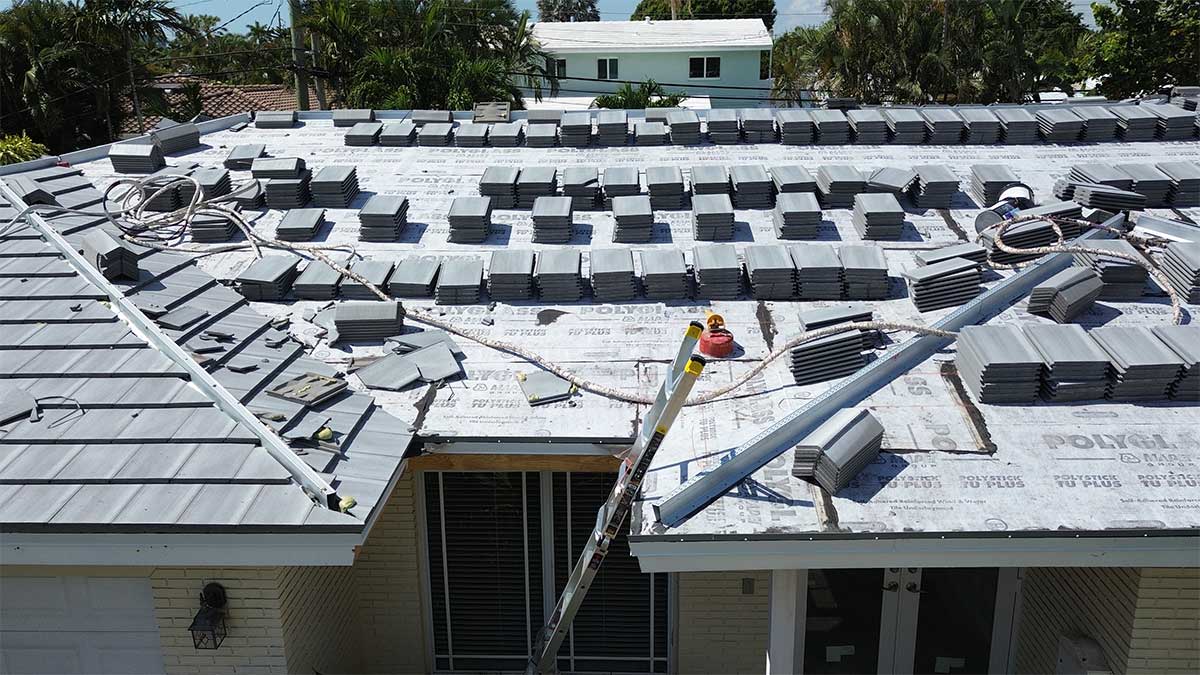
- Underlayment is installed — peel-and-stick for maximum performance, or synthetic if specified.
- Valleys, eaves, penetrations, and ridges are carefully sealed.
- Roof covering is applied on top — shingles, tiles, metal, or membrane — completing the system.
Working as a System
The underlayment is not a standalone feature — it works with fasteners, flashings,
ventilation, and outer roof materials to form a complete, code-compliant roofing system. When installed correctly, it not only stops leaks but extends the lifespan of your roof and improves your eligibility for insurance credits and warranties.
Our Recommendation
At Performance Roofing and Impact Windows, we tailor your underlayment selection to
the roof type, pitch, location, and budget. For hurricane-prone areas like South Florida,
we often recommend full peel-and-stick systems, flashing tape, and fire-rated membranes where applicable. We ensure every roof we install meets or exceeds Florida Building Code and manufacturer specifications.